
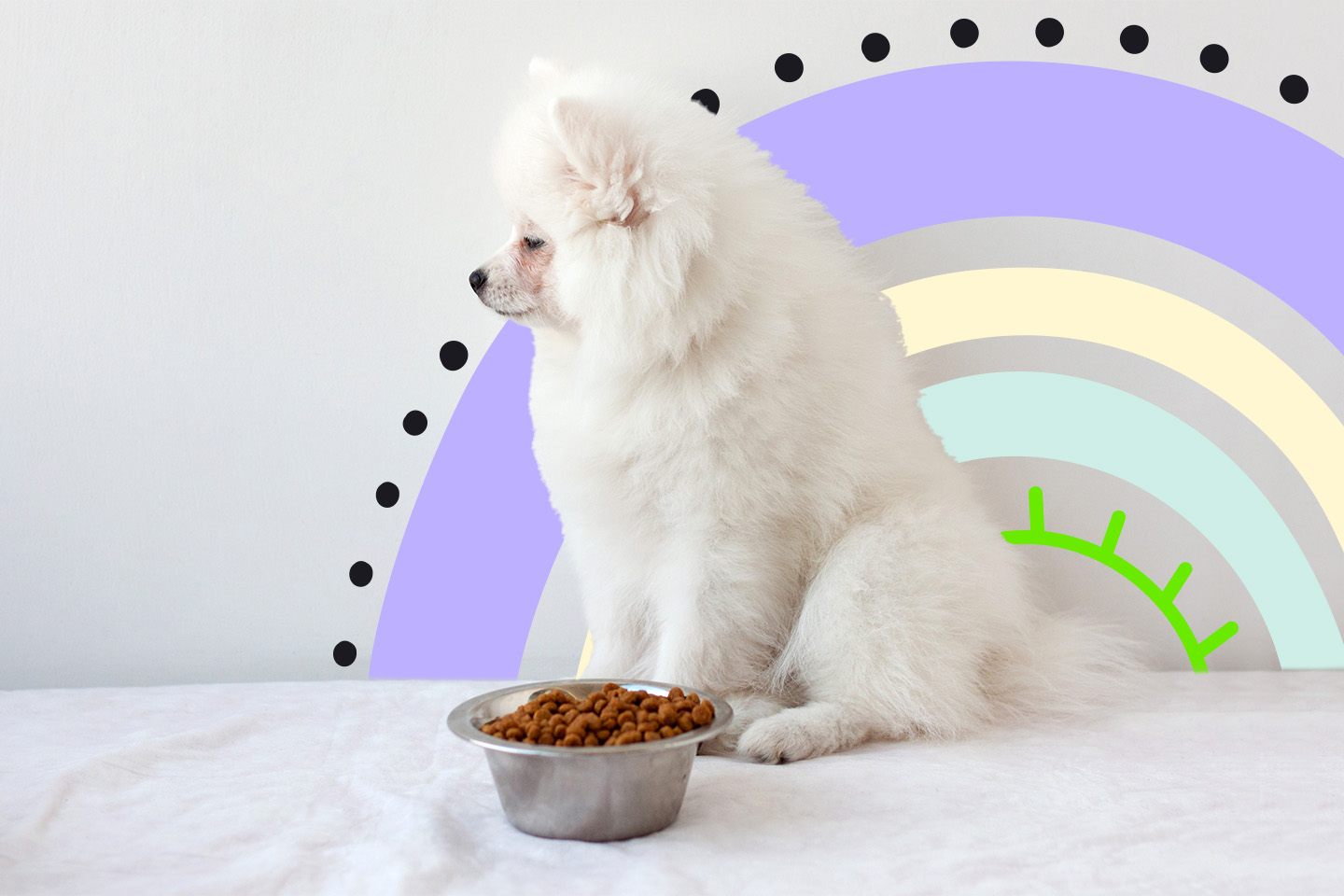
Dogs are known for their voracious appetites, but what happens when your furry friend suddenly stops chowing down? It can be a worrying sign for any dog parent, and it can be tough to figure out what’s going on. Are you already scratching your head and asking yourself, “Why is my dog not eating?”
Don’t fret, I’m here to help you figure out why your pup isn’t eating and what you can do about it.
Health Issues – Let’s start with the most obvious reason: health problems. Your pup may not be eating because they’re feeling under the weather. From upset stomachs to dental problems, there are a lot of potential health issues that can cause a lack of appetite. If your pup has been off their food for a while, it’s best to get them checked out by the vet.
Boredom – Just like us humans, dogs can get bored with their food. If your pup has been eating the same food for a while, try mixing it up with some new flavors and textures. Just be careful not to go overboard, as introducing too many new foods at once can upset their stomach.
Stress – Dogs can pick up on our stress levels and it can affect their appetite. If you’ve been feeling a bit stressed lately, your pup may be picking up on it and not feeling like eating. Make sure to spend some extra quality time with your pup and create a calm and relaxed environment for them.
Change in Routine – Dogs love routine, and a change in their normal routine can throw them off. Whether it’s a change in feeding times or a new person in the household, dogs may not feel like eating if things are different. Stick to a regular feeding routine and make sure your pup feels secure and comfortable in their environment.
Unappealing Food – Just like us, dogs have their own tastes and preferences. If you’ve recently changed brands or flavors of dog food, your pup may not be a fan. Offer a small amount of their old food and see if they go for it. If not, it may be time to try a new brand or flavor.
Getting into the Garbage – It’s a classic dog move: getting into the trash. And while it may seem like a good idea at the time, eating garbage can lead to an upset stomach and a lack of appetite. Make sure to keep the trash securely out of reach to prevent this from happening.
Aging – As dogs age, their appetites can change. If your senior pup isn’t eating as much as they used to, it may be a sign of an underlying health issue. Take them to the vet for a check-up to make sure everything is okay.
Picky eaters – Some dogs are just picky eaters, plain and simple. They know what they like and they’re not afraid to turn their nose up at anything else. Try rotating their food options or offering a variety of flavors to find what they like best.
Tooth or gum problems – Just like us, dogs can experience tooth or gum problems that can make eating painful. If you suspect your pup has a tooth or gum issue, a trip to the vet is in order.
Now, I know what you’re thinking: “But my dog never turns down a treat!” And while that may be true, treats should never be used as a substitute for regular meals. Make sure your pup is getting a balanced and nutritious diet and limit their treat intake.
Now, just because your pup is not eating doesn’t mean they’re not hungry. It’s important to pay attention to their body language and behavior to determine if they’re actually hungry or just not interested in their food. Offer small amounts of food and try different brands or textures to find what they like best.
There are a lot of reasons why your pup may not be eating. But, by paying attention to their behavior and consulting with your vet, (some tasty treats and a whole lot of love in between) you’ll be able to figure out what’s going on and get your furry friend back to their chow-loving self in no time. Every pup is different, so it may take some trial and error to find what works best for them. Just remember, a well-fed pup is a happy pup, and who doesn’t want a happy pup?