
A Guide to Your Dog’s Daily Nutritional Requirements
Alright, let’s be real here. You know how they say “you are what you eat”? Well, the same goes for our furry friends. That’s right, folks – a healthy diet is key to keeping your dog happy, healthy, and full of energy.
Listen up, dog parents! We all want what’s best for our fur-babies, and that includes making sure they’re getting the right nutrients to fuel their playful and curious lives. But with so many different dog food options out there, it can be tough to know what’s actually good for them.
So, what does our lovesome pup need to fuel his or her daily adventures? Let’s dive into the world of canine nutrition and find out!
Protein – Dogs are carnivores at heart, so it’s no surprise that protein is at the top of the list of essential nutrients. Protein provides the building blocks for muscle, skin, and coat health, so make sure your pup is getting enough of it in their diet.
Fat – Fat is an important energy source for dogs, and it also helps keep their coat and skin healthy. But, not all fats are created equal! Make sure to choose a diet that includes good sources of healthy fats, like omega-3 and omega-6 fatty acids.
Carbohydrates – Carbohydrates provide energy, but they are not a primary nutrient for dogs like they are for humans. So, make sure to choose a balanced diet that doesn’t have too many carbs, which can lead to weight gain and other health issues. While dogs don’t need as many carbohydrates as we do, they still need some to fuel their bodies. Good sources of carbohydrates include brown rice, sweet potatoes, and oatmeal. Aim for at least 35-45% carbohydrates in their diet. One tip: avoid WHEAT.
Vitamins and Minerals – Just like people, dogs need a variety of vitamins and minerals to stay healthy. Make sure your pup’s diet includes essential vitamins like A, D, E, and K, as well as minerals like calcium, phosphorus, and iron.
Water – This may seem obvious, but it’s worth mentioning. Water is essential for all living things, including our furry friends. Make sure your pup has access to clean, fresh water at all times.
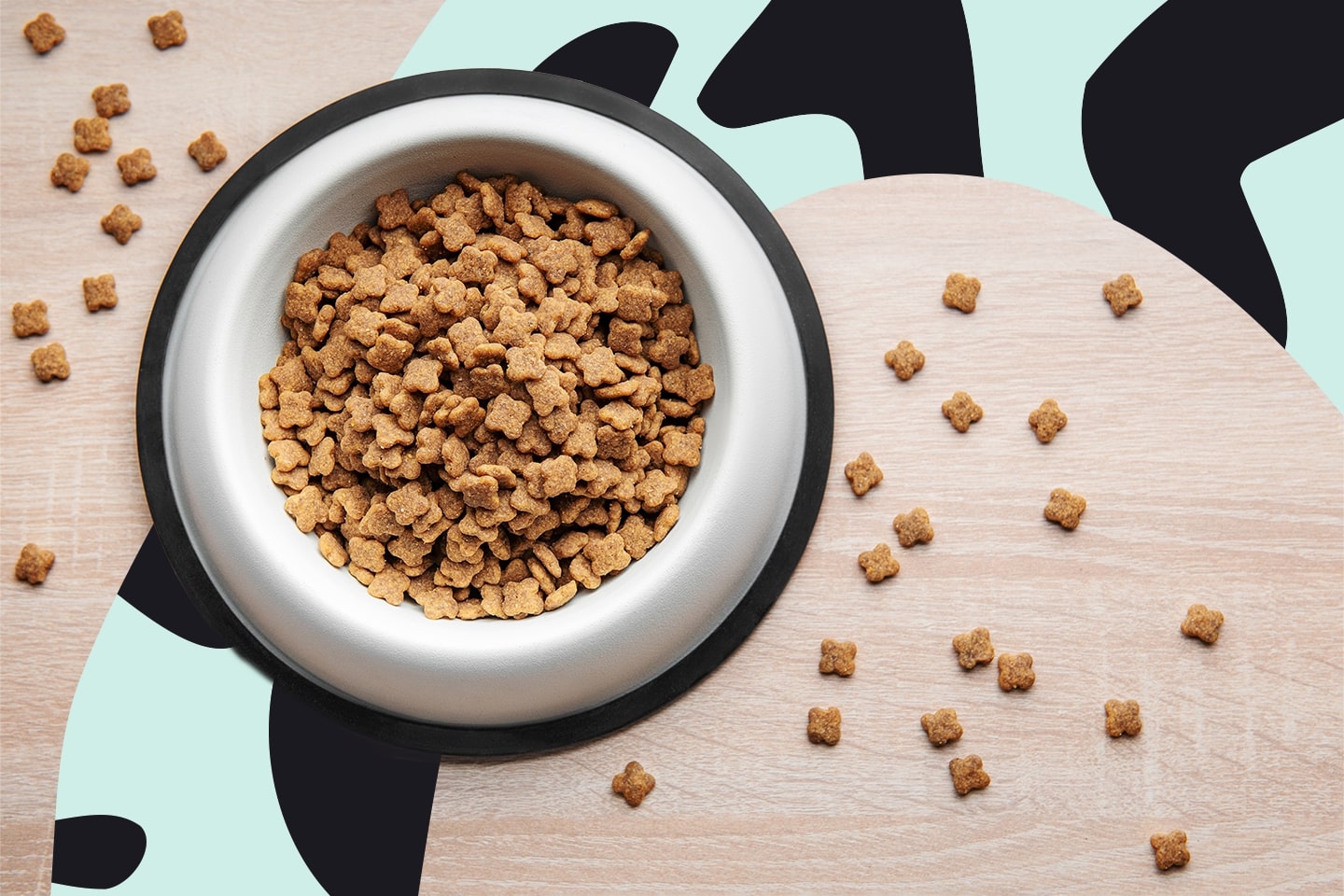
Now, let’s talk about how to put all of these pieces together. First, let’s start with the basics: kibble or wet food? Both have their pros and cons, so it really comes down to personal preference. Kibble is convenient and has a long shelf life, but wet food can be more appealing to picky eaters and may provide more hydration.
Canned food is a great option for picky eaters, as it has a higher moisture content and a stronger aroma. Raw diets, also known as BARF diets, are becoming more popular, and consist of raw meats, bones, and vegetables.
Next, let’s talk about portion control. Just like with people, it’s all about moderation. Make sure to feed your pup the appropriate amount for their size and activity level. Too much food can lead to weight gain and other health issues, while too little food can lead to malnutrition.
And finally, let’s talk about special diets. Some dogs have specific dietary needs, such as food allergies or sensitivities. If you suspect that your pup has a dietary issue, talk to your vet to see if a special diet is necessary.
Now that you know what your dog needs to be happy and healthy, let’s talk about how much to feed them. The amount of food your dog needs will vary based on their age, size, and activity level, but as a general rule, adult dogs should eat two meals a day totaling around 1-2% of their body weight. Puppies and senior dogs may need more or less, so it’s always best to consult with your veterinarian for specific recommendations.
And one last thing, don’t be tempted by those cute, waggy tails and big, puppy eyes when it comes to treats! Treats should only make up about 10% of your dog’s daily calorie intake, so stick to healthy options like frozen blueberries or carrots.
So, there you have it folks – a quick rundown on your pup’s daily nutritional requirements. It may seem overwhelming, but just remember to keep it simple and balanced. With a little bit of planning and a lot of love, you’ll have your furry friend feeling paw-some in no time!
Feeding your furry friend a healthy, balanced diet is crucial to their overall well-being. Make sure to provide enough protein, fat, carbohydrates, vitamins, and minerals, and don’t forget about water! Remember, every pup is unique, so if you suspect a dietary issue, talk to your vet to see if a special diet is necessary. With a little bit of knowledge and a lot of love, you’ll have your pup feeling and looking their best in no time!